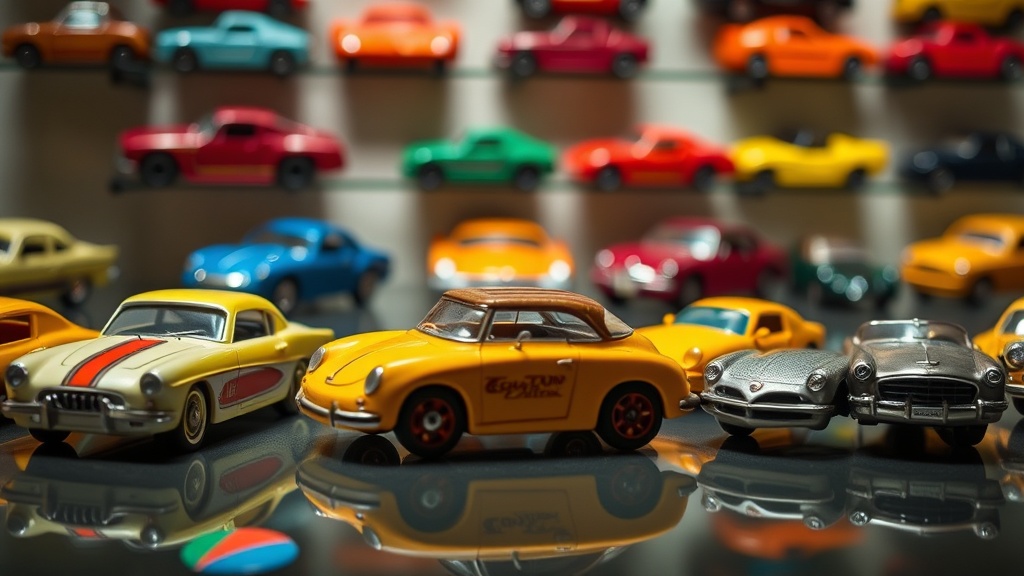
5 Smart Ways to Display and Protect Your Matchbox Car Collection

Use UV-Protected Display Cases
Avoid Direct Sunlight and Humidity
Dust Regularly with Soft Microfiber Cloths
Store Loose Cars in Individual Compartments
Rotate Your Display to Prevent Tire Flat Spots
This post covers five practical strategies for displaying and safeguarding Matchbox car collections of every size. Whether someone owns a dozen vintage models or several hundred sealed releases, the right storage method prevents scratches, fading, and bent cards that destroy resale value. You'll learn how to choose display cases, manage lighting, handle loose versus carded cars, and control dust without breaking the bank. Here's the thing: a collection that looks great on a shelf can still deteriorate silently from UV exposure, humidity, and acidic materials. These tips keep every vehicle looking sharp for years. That said, protection doesn't mean hiding everything in a closet. The best setups balance security with visibility so the collection remains a source of pride. Matchbox castings—especially early Lesney models with thin paint and delicate wheels—are particularly vulnerable to environmental damage, so small precautions today prevent major losses tomorrow.
What Is the Best Way to Display Matchbox Cars Without Damaging Them?
Wall-mounted acrylic cases with UV-protective coatings offer the safest balance of visibility and physical protection for individual vehicles. The BCW 1:64 Acrylic Display Case and magnetic "clamshell" protectors from ProTech are popular choices among serious collectors because they block dust while allowing light to pass through clearly. These cases fit most standard Matchbox releases from the 1950s Bedford trucks to modern Moving Parts SUVs. That said, not every car needs a $15 individual case. For loose vehicles arranged in dioramas, a glass-front cabinet—the IKEA DETOLF remains a perennial favorite—creates a compact showroom feel without exposing models to open air and curious fingers. Line the DETOLF floor with cork sheet or low-pile automotive carpet so wheels grip instead of slide during door closures.
Here's the thing: wood shelves look classic, but unfinished timber can off-gas acids that yellow plastic windows over time. Seal wooden surfaces with polyurethane or line them with acid-free craft foam before placing cars directly on the grain. For carded cars, vertical pegboard racks with adjustable hooks prevent the blister packs from creasing—just ensure the hooks don't press against the cardboard backing. (Avoid wire racks with tight spacing; the friction can wear edges and punch tiny holes in soft card stock.)
Worth noting: vibration matters more than most people expect. If the display sits near a busy hallway, above a subwoofer, or against a wall shared with a garage door opener, constant micro-shaking can loosen decals and chip paint. Place heavier cases on solid walls and use museum putty—such as QuakeHold! Museum Wax—to anchor models inside open dioramas. For collectors who rotate displays seasonally, removable shelves inside the IKEA BILLY bookcase (fitted with OLOV legs for height adjustment) make reconfiguration simple without dragging cars across abrasive surfaces. Sliding cars even a few inches across raw wood can leave baseplate scratches that are permanent.
Should Matchbox Cars Be Stored in Their Original Packaging?
Yes—when resale value or long-term preservation matters, keeping Matchbox cars in their original blister cards or boxes protects them from fingerprints, oxidation, and paint transfer between models. Sealed vintage releases from the 1960s Superfast line or limited 2023 Moving Parts series can command significantly higher prices at auction when the packaging remains crisp and unpunched. Heritage Auctions regularly lists mint-on-card Matchbox lots where condition grading hinges on blister clarity and intact cardboard. A single thumbprint oil stain on the card back can drop a rare model one full grade. Even modern Mattel releases—such as the 2024 Collectors Series—ship in premium boxes that are easier to preserve than old blister cards, but they still scuff if tossed into a junk drawer.
The catch? Packaging itself can degrade. PVC blisters on older cards may yellow or crack, and cardboard backings absorb moisture in humid basements like sponges. Store carded cars flat inside archival-grade comic bags backed with acid-free boards—BCW supplies bags in 7x10 and 8x12 sizes that fit most standard Matchbox cards perfectly. Never stack blister packs face-down; the weight of upper layers will flatten the bubbles and crease the artwork within weeks.
For collectors who prefer to free their cars, the value drop varies wildly by model. Common grocery-store exclusives (say, a 2022 Tesla Roadster) won't lose much opened, but a 1967 Magirus-Deutz Crane in mint packaging is an entirely different asset class. Here's the thing: if the plan is to open everything, photograph the card backs first. Those graphics—featuring model numbers, series branding, and country-of-origin stamps—are part of the object's history. Some collectors frame retired card backs as wall art, which is a nice compromise between play and preservation. That said, once a vintage blister is opened, the premium is gone forever. Choose wisely.
How Can You Protect Matchbox Cars from Dust and Sunlight?
UV-filtering glass, sealed cabinets, and regular dusting with microfiber cloths keep dust and sunlight from fading paint and drying out rubber tires. Sunlight is the silent enemy of die-cast collectibles. A Matchbox car left on a windowsill for six months can suffer paint fading that no detailing compound will reverse. Acrylic and glass with UV-blocking coatings—such as Tru Vue Museum Glass—cut harmful rays by up to 99%. That said, coatings wear off over decades, so position displays away from direct sun regardless of how expensive the glazing was. South-facing windows are the worst offenders, but north-facing light can still fade reds and blues over years.
Dust isn't just a cosmetic annoyance. The particles are abrasive. When a visitor picks up a dusty model and rolls the wheels, grit grinds into axles and scratches baseplates. Sealed display cases eliminate this problem entirely. For open shelving, a weekly once-over with a Swiffer duster or microfiber cloth prevents buildup. (Never use feather dusters—they push debris around and can snag antennae or mirror details on delicate castings like the 1987 Porsche 959.) If a model is already grimy, a soft cosmetic brush dipped in distilled water—never tap water, which leaves mineral spots—cleans most surfaces safely.
Humidity control deserves attention too. Rubber tires on vintage Matchbox models can develop zinc pest or dry rot in damp environments, and metal baseplates may oxidize. Silica gel packets—like the Dry & Dry brand reusable canisters—absorb moisture inside closed cases. Replace or recharge them every few months, especially during summer. Worth noting: temperature swings cause blister packs to expand and contract, which eventually separates the bubble from the cardboard. Keep the display room between 65°F and 72°F year-round if possible. Basements and attics are usually poor choices for high-value pieces, no matter how convenient the square footage might seem. Stable climate matters more than square footage.
Are Stackable Cases a Good Idea for Large Collections?
Stackable cases save floor space and allow modular growth, but they introduce real risks if lower tiers bear too much weight or if cases lack rigid reinforcement. Brands like Carney Display and SAFTGARD produce stackable acrylic drawers sized specifically for 1:64 die-cast. These units typically hold 48 to 72 cars per case and feature interlocking lids that prevent sliding. The key is distributing weight evenly—never stack more than four high unless the manufacturer specifies a higher limit. A collapsing tower of acrylic can spiderweb every case in the stack. Fill lower cases with heavier castings like the Lesney Model Y Ford or construction trucks, and reserve upper tiers for lighter plastic-bodied releases.
For loose cars, compartmentalized storage boxes with individual cells (like the Hot Wheels 48-Car Storage Case available at Target and Walmart) prevent models from rattling against each other during moves. That said, the plastic on budget cases can off-gas over time. If a case smells strongly of vinyl when opened, it's worth transferring valuable castings to inert polyethylene containers such as those made by Really Useful Boxes. Those snap-lid bins come in sizes that fit inside closet shelves and under beds, making them ideal for overflow inventory. Some collectors use flat file drawers—the kind architects use for blueprints—to store hundreds of loose cars in shallow, easy-to-scan trays.
Here's a quick comparison of popular storage formats for growing collections:
| Storage Type | Best For | Price Range (per unit) | Drawback |
|---|---|---|---|
| IKEA DETOLF cabinet | Open dioramas, mixed scales | $70–$80 | Open to dust; requires room space |
| BCW Acrylic Single-Car Case | High-value individual models | $8–$15 | Expensive at scale |
| Carney 72-Car Stackable Case | Large loose collections | $35–$50 | Lower tiers bear stacking load |
| Archival Comic Bags + Boards | Carded vintage cars | $0.25–$0.50 per car | Not display-friendly; hidden from view |
The catch? Moving a tall stack always risks a domino collapse. Secure stacks to walls with earthquake straps (common in California but smart anywhere) and leave a small gap between the top case and the ceiling to allow heat dissipation from LED lighting. Also, label each case on the side facing out. Digging through twelve identical acrylic boxes to find one casting is a fast way to drop the whole lot.
What Display Lighting Works Best for Die-Cast Collections?
LED strip lights with low heat output and high color-rendering indexes showcase Matchbox paint jobs without warping plastic or fading decals. Incandescent and halogen bulbs generate enough heat to soften blister bubbles and distort thin metal fenders over time. Modern LED systems—such as the Philips Hue Lightstrip or Govee White LED Strip Lights—run cool to the touch and can be tuned to daylight color temperatures (5000K–6500K) that reveal metallic flake and tampos accurately. Both systems work with smart-home apps, so schedules can dim lights automatically after bedtime.
Placement matters as much as bulb type. Lights mounted above the case should sit at least six inches from the models to avoid hot spots. For the IKEA DETOLF, adhesive LED strips running along the vertical frame edges create even illumination without drilling holes in glass. Aim strips slightly toward the back wall rather than straight down—this bounces light off the rear panel and reduces glare on glossy paint. (Battery-powered puck lights are fine for small shelves, but they dim unpredictably and often cast harsh shadows that hide detail.)
Worth noting: color temperature skews perception. A 3000K warm bulb can make a bright red '71 Maverick look orange, while a 6500K daylight strip preserves the factory hue. Some collectors install dimmer switches to lower intensity during evening hours, which also extends LED lifespan. That said, even LEDs emit trace amounts of UV. For museum-grade protection, look for fixtures labeled "UV-free" or add a polycarbonate diffuser that filters the remaining spectrum. Matchbox cars deserve to be seen. The right lighting turns a cluttered shelf into a gallery wall that catches the eye from across the room. Keep it cool, keep it bright, and let those castings shine.