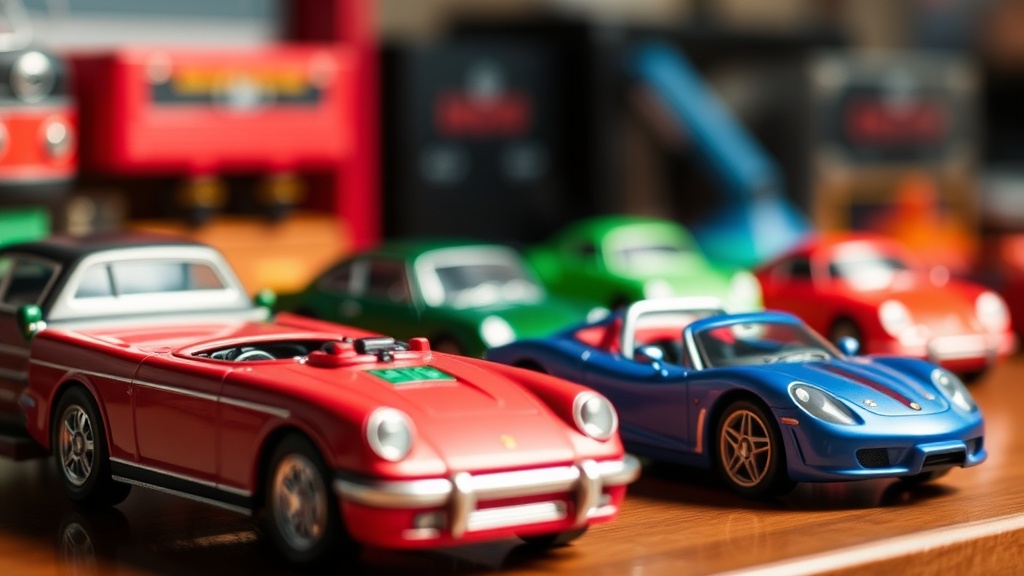
Finding and Evaluating High-Quality Diecast Models for Your Collection

What to Look for When Buying Diecast Models
This post covers the specific criteria you need to evaluate the quality, authenticity, and condition of diecast vehicles before you spend your hard-earned money. Whether you're hunting at local swap meets or browsing online auctions, knowing what differentiates a high-quality piece from a common toy is the first step toward building a serious collection. We'll look at material quality, paint consistency, and the subtle signs of factory defects or aftermarket modifications.
When you start looking at vintage Matchbox or even modern premium-tier models, the first thing you'll notice is the weight. A well-made model should have a satisfying heft to it. If a car feels light or hollow, it often indicates a high use of plastic rather than die-cast metal. While modern production uses more plastic for weight reduction and cost-saving, collectors generally prefer a higher metal-to-plastic ratio. You'll want to check the wheelbase and the fit of the axles. A crooked axle isn't just a cosmetic flaw; it's a sign of poor manufacturing or a heavy-handed previous owner.
Pay close enough attention to the paint. On high-end models, the paint should be smooth and uniform. Look for "orange peel" textures—that bumpy, uneven surface that can ruin the look of a sleek sports car. If you see tiny bubbles or cracks in the finish, the model might have been stored in a poorly controlled environment, such as a hot attic or a damp basement. This isn't just a visual issue; it often signals that the underlying metal is starting to oxidize or the paint is losing its bond with the chassis.
The Importance of Casting Detail
The level of detail in the casting itself tells you a lot about the model's pedigree. In the world of diecast, we talk about "sharpness." A sharp casting has crisp lines, deep grooves, and clearly defined edges. A dull casting looks soft, almost as if the edges have been melted or worn down. This can happen due to poor mold maintenance at the factory, but it also happens when models are played with roughly.
Check the interior too. A high-quality model will have a detailed dashboard, even if it's just a simple molded plastic piece. If the interior looks like a single, shapeless blob, you're looking at a budget-tier piece. This distinction matters because, as a collector, you're not just buying a toy; you're buying a miniature representation of a real vehicle. The more accurate the details, the more value the piece holds over time.
Where Can I Find Authentic Vintage Diecast?
Finding genuine vintage pieces requires a bit of detective work. You won't always find the best items in the big-box toy aisles. Instead, look toward specialized auction sites, estate sales, and dedicated collector forums. Many of the best finds come from people who don't realize the value of what they have sitting in a dusty bin in their garage.
When shopping online, always demand high-resolution photos. If a seller refuses to provide close-up shots of the underside or the wheel wells, walk away. The underside of a car is a goldmine for information; it often contains the production year, the model name, and even the metal composition. You can learn a lot about a car's history just by looking at the baseplate. For example, the