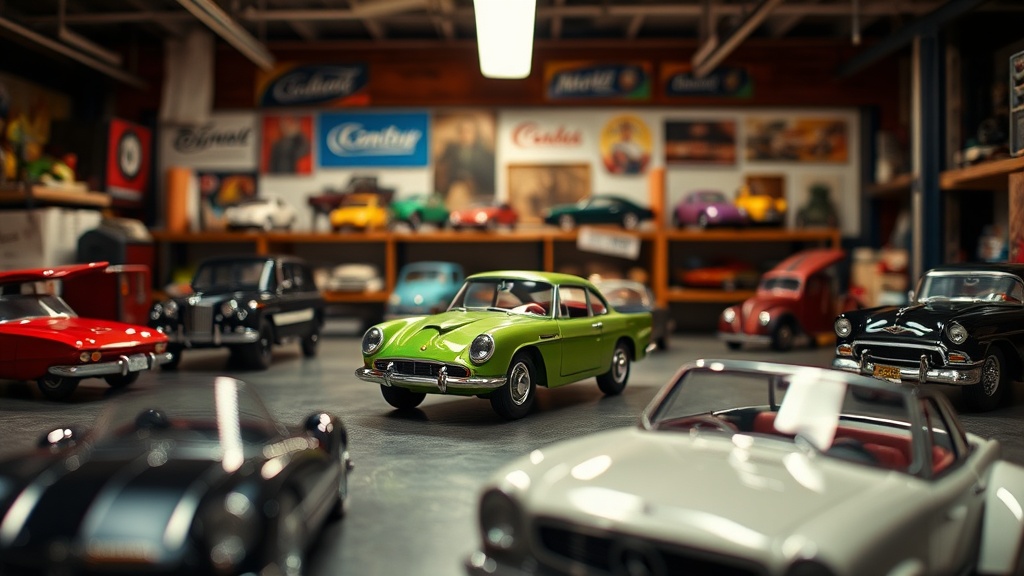
Finding High-Value Diecast Models in Local Thrift Stores

Have you ever walked into a local thrift shop, scanned the dusty shelves, and wondered if there was actually a hidden gem waiting to be found? Finding high-quality diecast models in secondhand shops isn't just about luck; it's about knowing what to look for when the shelf looks like a graveyard of broken toys. This guide covers the practical steps for identifying valuable models, understanding condition, and knowing when a find is actually worth the transport home.
Thrift stores are a goldmine for collectors, but they can also be a massive waste of time if you don't have a system. You might see a plain-looking box or a scratched car and assume it's junk, but that's often where the real value hides. Whether you're hunting for vintage Matchbox, old Hot Wheels, or even high-end scale models, the approach remains the same: eyes on the details, hands on the weight, and a keen eye for authenticity.
How do I identify a valuable diecast model in a thrift shop?
The first thing you need to do is look past the surface. Many people see a scratched paint job and move on, but sometimes that scratch is just on a non-key part. You need to look for specific indicators of value. First, check the weight. High-quality diecast models usually have a certain heft to them. If a car feels too light or hollow, it might be a low-end plastic toy rather than a collectible diecast model. Second, look at the branding. Is it a limited edition? Does it have a specific series name on the base? Brands like Hot Wheels or Matchbox often have specific-year runs that collectors crave.
Pay attention to the axles and wheels. A model with original, unpainted wheels is almost always more valuable than one that has been customized or has mismatched parts. If the wheels look crooked or if one is missing, the value drops significantly. However, if the car is part of a known collectors' series, even a slightly worn model can be a great win. You should also check the underside of the vehicle. The base often contains the most information—years, production numbers, and even small print that tells you if it's a standard release or a special edition.
What are the biggest red flags when buying used diecast?
The biggest mistake beginners make is buying a model based on looks alone. A shiny car might look great, but if it's a counterfeit or a poorly made reproduction, it's not worth your money. You'll want to watch out for "deco fatigue," which is when the stickers or paint designs start to peel or fade due to poor storage. If the decals look blurry or off-center, walk away. This is a sign of a low-quality piece or a fake.
Another red flag is the smell. It sounds strange, but if a model has been stored in a damp basement or a garage, it might have a musty odor. This can lead to oxidation or even rust on the metal parts later on. Also, keep an eye out for "zinc rot." This is a chemical reaction that happens in certain diecast alloys, causing the metal to literally crumble or crack. If you see tiny cracks or pitting in the metal, do not buy it. You won't be able to fix it, and it's a sign that the structural integrity is gone. You can learn more about metal preservation and issues through resources like the Diecast Collectors community to see real-world examples of this damage.
Is it better to buy loose or in the original packaging?
This is the age-old debate in the collecting world. In a thrift store setting, you'll mostly find "loose" items—models without their original blister cards or boxes. If you find a model in its original packaging, it is almost always more valuable, but it comes with a catch. The packaging itself is a fragile piece of history. A crushed or torn card can strip away half the value of the car inside. If you are a purist, you want the box. If you just want to display the car on a shelf, a loose model is much easier to handle and maintain.
For most thrift-store hunters, I suggest focusing on loose models. They are easier to inspect for damage, and you aren't paying for a piece of cardboard that might be falling apart. A loose, well-maintained model with all its original parts is often a better deal than a battered, poorly-stored model stuck in a torn-up blister pack. Always check the axles of loose models; if they are bent, the car won't roll smoothly, and that's a sign of heavy play-use rather than careful collection.
When you're out there in the wild, remember that your goal isn't just to buy everything that looks cool. It's to find the specific pieces that add value to your collection. This means being picky. If a car has a chipped fender or a missing door, and it isn't a rare piece, let it go. Your collection should be a testament to quality, not a pile of damaged toys. Keep your eyes sharp, check the bases, and don't be afraid to ask the shop staff if they have more stock in the back—sometimes the best stuff hasn't even hit the floor yet.
| Feature | Loose Model | Packaged Model |
|---|---|---|
| Inspection | Easy to check all sides | Difficult to see the base |
| Value | Lower, but more accessible | Higher, if card is mint |
| Risk | Wear and tear from play | Damage to the packaging |
| Display | Great for shelf displays | Great for collectors' displays |