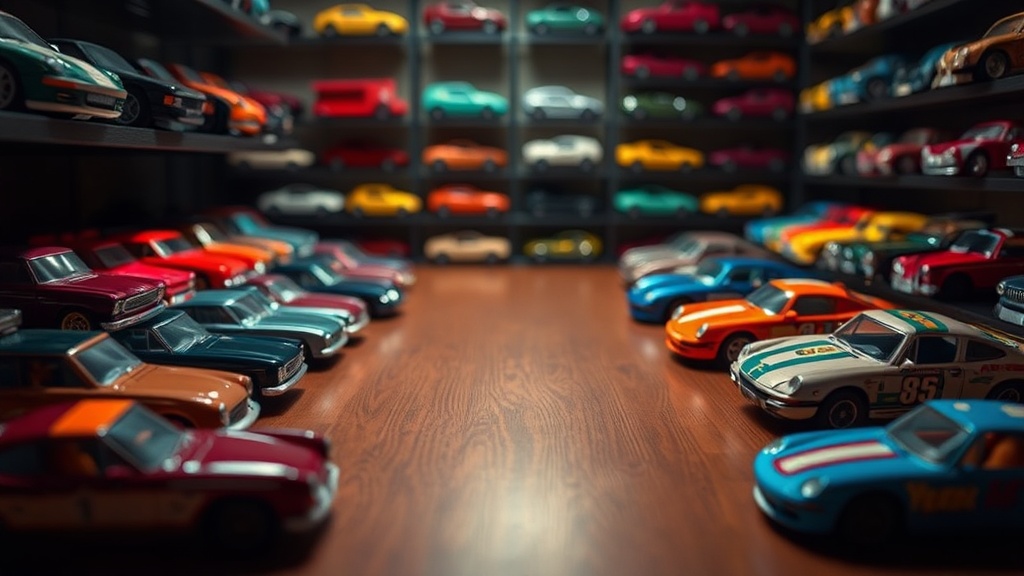
How to Display Your Matchbox Car Collection Like a Pro

What This Post Covers (and Why It Matters)
A well-displayed Matchbox collection transforms dusty shoeboxes into conversation pieces. Whether you've got fifty cars or five hundred, the way you show them off affects everything — from preservation value to pure visual enjoyment. This guide walks through display methods that balance protection, accessibility, and aesthetics — no museum-grade budget required.
What's the Best Way to Display Matchbox Cars Without Damaging Them?
The safest approach combines UV protection with stable positioning and minimal handling.
Direct sunlight kills diecast. Not gradually — fast. In as little as six months, a red '71 Oldsmobile 442 can fade to salmon pink. The solution isn't keeping everything boxed away (where's the fun in that?). Instead, display cases with UV-filtering acrylic or glass panels protect paint while keeping cars visible.
Magnetic mounts look sleek but come with risks. Rare earth magnets can pull wheels loose, especially on older castings with brittle axles. Better options include:
- Acrylic risers — tiered platforms that angle cars slightly upward
- LED-lit shadow boxes — shallow frames (1.5–2 inches deep) with integrated lighting
- Wall-mounted cases — locking options available for higher-value pieces
- Glass curio cabinets — traditional, spacious, dust-resistant
The IKEA DETOLF cabinet remains a collector favorite — four glass shelves, slim profile, around $130. Add weatherstripping around the door gap and you've got dust protection too.
How Do You Organize a Large Matchbox Collection for Display?
Organization depends on your goals: visual impact, historical storytelling, or pure practicality.
Chronological arrangement tells the story of Matchbox evolution — from the 1953 diecast road roller through the Superfast era, the '90s budget years, and modern premium lines. Visitors trace design philosophy changes across decades. The downside? Visual chaos. A 1967 Magirus-Deutz crane next to a 2023 Tesla looks jarring.
Color coordination creates stunning wall displays. Grouping by paint job (all reds, all blues) produces gallery-like results. The catch? You'll split series apart. The 2023 Moving Parts assortment spans twelve colors — scattering them wrecks the set's narrative.
Here are three proven organizational approaches with trade-offs:
| Method | Best For | Drawbacks |
|---|---|---|
| By Series/Assortment | Completests, investors | Visual monotony (sixty versions of the same casting) |
| By Vehicle Type | Thematic collectors | Mixes eras and conditions |
| By Manufacturer/Brand | License-focused collectors | Chevrolet-heavy sections, sparse others |
| Chronological | Historical appreciation | Dated castings alongside pristine moderns |
Worth noting: many serious collectors use hybrid systems. Cars stay in series groups within storage, while "featured" pieces rotate through display cases monthly. Keeps the visible collection fresh without constant rearrangement.
What Display Options Work for Small Spaces?
Vertical solutions and multi-functional furniture maximize limited square footage.
Apartment collectors face real constraints. A full-size display cabinet consumes precious floor space. The workaround? Think up, not out.
Floating shelves (IKEA LACK, $15 each) mount at staggered heights, creating gallery walls that hold 30–40 cars per six-foot section. Install with proper wall anchors — diecast gets heavy fast. A full shelf of 75 Superfast castings weighs roughly eight pounds.
Under-bed storage isn't glamorous but works for overflow. The HDX 56-Qt Modular Storage Box fits standard bed frames, holds roughly 200 carded cars, and costs under $20. Label everything. Searching through twenty identical bins ruins the collecting experience.
Desk displays suit active collectors who rotate pieces regularly. The Nanuk 904 case ($65) with custom foam inserts protects 24 cars while sitting on a bookshelf or desk. Take it to swap meets, clubs, or just admire during work calls.
DIY Display Solutions
Store-bought isn't the only route. Custom builds match exact space constraints and personal aesthetics.
A simple slatwall system — the same stuff retail stores use — mounts to garage or office walls. Specialized diecast hooks (check Amazon's slatwall hook selection) grip carded blisters securely. Adjust spacing as collections grow. Paint the slatwall matte black for that "toy store" vibe.
Picture ledges (shallow shelves with front lips) display loose cars without adhesives or stands. The IKEA MOSSLANDA ($10–15) holds approximately fifteen 1:64 scale vehicles per three-foot section. Cars tilt slightly back — no rolling, no falling.
How Should You Light a Matchbox Car Display?
LED strips positioned above and in front of shelves eliminate shadows and highlight paint details without generating heat.
Poor lighting wastes good displays. Halogen and incandescent bulbs generate heat that warms plastic wheels and can yellow clear windows over years. They also cast harsh shadows that obscure base details and tampos.
LED strips (Philips Hue Play, Govee Glide) offer color temperature control. Warm white (2700K) flatters red and orange castings. Cool white (5000K+) makes silver and chrome pop. Some collectors run programmable RGB strips — switching between "showroom white" for photography and ambient colors for mood lighting.
Position lights at 45-degree angles to minimize glare on glossy paint. Inside glass cases, strip lighting along the front frame edge (pointing back) creates dramatic silhouette effects. Experiment with a single shelf before committing to the whole collection.
Photography Considerations
If Instagram or selling factors into your collecting, display lighting doubles as photo lighting. A well-lit case means grab-and-shoot convenience — no setup, no light boxes, no hassle. The Godox SL-60W LED Video Light ($140) provides adjustable, flicker-free illumination that makes metallic paint shimmer on camera.
Should Matchbox Cars Stay in Packaging or Go Loose?
Investment-grade pieces stay carded; display pieces go loose — most collectors maintain both categories.
This debate splits the community cleanly. Carded collectors cite value retention: a mint-on-card 1968 Hot Wheels Custom Camaro fetches hundreds; loose versions sell for tens. The "blister pack" (the clear plastic bubble) protects from dust, fingerprints, and environmental damage.
Loose collectors counter that diecast was meant to be held, rolled, examined. Displaying loose cars allows 360-degree appreciation — base stamps, interior details, suspension travel. You can't tilt a carded car to catch light on its Spectraflame paint.
Here's the thing: neither approach is wrong. Many collectors display loose commons while storing valuables carded. Others "free" one of each casting while keeping duplicates packaged. The decision factors include:
- Value — pre-1980 castings, errors, and limited editions typically warrant protection
- Space — carded display consumes 4–5x the wall space of loose arrangements
- Interaction — if you handle cars regularly, loose makes sense
- Aesthetics — uniform carded walls look like retail; loose arrangements feel like museums
Protecting Your Investment (Without Hiding It)
Environmental control matters more than locked cases for most collections.
Dust isn't just ugly — it's abrasive. Microscopic particles scratch paint when disturbed. Weekly dusting with microfiber cloths (the ones for eyeglasses, not furniture) prevents buildup. Compressed air reaches into engine bays and wheel wells where cloths can't.
Humidity control prevents base metal corrosion. Matchbox bases use zamak — a zinc alloy that reacts with moisture. In humid climates (looking at you, Gulf Coast), silica gel packets in display cases absorb excess moisture. Replace them quarterly when they change color. For serious collections, a dehumidifier maintaining 40–50% relative humidity protects everything — cars, cards, cardboard boxes.
Security concerns vary by location. Glass-front cases with simple magnetic catches stop casual handling but won't deter theft. For high-value rooms, consider display cases that mount through the wall into studs — much harder to grab than freestanding furniture. Insurance riders specifically listing diecast collections provide peace of mind that no locking mechanism can match.
Rotating and Refreshing Your Display
Static displays grow invisible. The eye stops registering what it sees daily.
Rotate quarterly. Move castings from storage to display and back. Swap thematic groupings — summer camping vehicles in June, construction equipment in September, holiday-related castings in December. This keeps the collection feeling alive and justifies the "hoard" to skeptical partners.
Rotation also catches problems early. A small crack in a 40-year-old blister pack, visible only when removing from storage, can be addressed before the car falls loose. Fading noticed during rotation prompts repositioning away from light sources.
Document everything. Photograph each display arrangement before disassembling. When that perfect shelf setup gets broken down, you'll want reference photos to recreate it. Plus, the archive becomes a timeline of collecting evolution — useful for insurance, estate planning, or just nostalgia.
"The best display is one you'll actually maintain. A $2,000 custom case that stays empty because it's too fussy loses to a $40 shelf that gets dusted regularly."
Start simple. Add complexity as needs evolve. The cars matter more than the cabinets holding them — but thoughtful presentation transforms collecting from accumulation into curation.
Steps
- 1
Choose the Right Display Case for Your Space and Collection Size
- 2
Arrange Your Matchbox Cars by Theme, Era, or Color
- 3
Add Proper Lighting and Protect from Dust and Sunlight