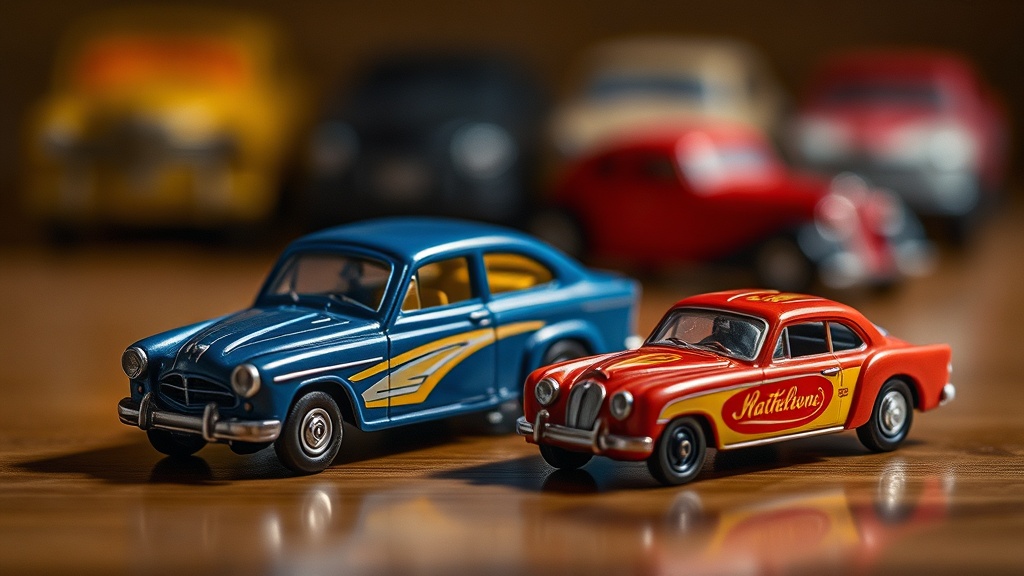
How to Spot Counterfeit Matchbox Cars Before They Ruin Your Collection

Many collectors assume counterfeit diecast cars only threaten high-end brands like Hot Wheels Treasure Hunts or vintage Dinky Toys. That's wrong. Fake Matchbox models have flooded online marketplaces—and they're getting disturbingly convincing. A $5 toy doesn't seem worth counterfeiting until you realize collectors routinely pay $50-$200 for rare castings, with some vintage pieces commanding four figures. The problem isn't just financial loss. Fakes contaminate your collection's integrity, making future sales and trades complicated when authenticity questions arise. Worse, many collectors don't realize they've been duped until they try selling or trading their pieces years later. This guide walks through spotting counterfeit Matchbox cars before they darken your doorstep—or identifying fakes already lurking on your shelves.
Counterfeiters aren't stupid. They've noticed the collector market's growth. When a basic 1967 Volkswagen Beetles casting sells for $80 in mint condition, the profit motive becomes obvious. Modern manufacturing—often the same facilities that once produced legitimate toys—means fakes now carry weight, paint quality, and detailing that fooled even experienced collectors just five years ago. The best counterfeits copy packaging too, reproducing blister cards and boxes with frightening accuracy. Some counterfeiters even age their packaging artificially, adding yellowing and wear patterns to mimic decades of storage.
Why are counterfeit Matchbox cars becoming more convincing?
The answer lies in manufacturing accessibility. Chinese factories that produced legitimate Matchbox cars during Mattel's production runs sometimes retain molds—or create unauthorized copies. These aren't garage operations. They're sophisticated facilities using the same diecast zinc alloy and similar paint suppliers. The result? Counterfeits that feel right in your hand, that have the proper heft, that roll smoothly across display shelves.
Quality control differences remain the smoking gun. Authentic Matchbox cars undergo Mattel's rigorous testing—drop tests, paint adhesion checks, wheel alignment verification, and safety compliance inspections. Counterfeits skip these steps to maximize profit and speed production. You might notice wheel wobble, paint overspray on windows, axles that don't sit flush, or doors that don't open smoothly on models where they should operate. These imperfections aren't random manufacturing variations. They're systematic shortcuts that reveal inauthentic origins.
The packaging tells stories too. Counterfeit blister cards often use slightly different cardboard stock—thinner, with a different texture when scratched lightly with a fingernail. The printing might look sharp, but color matching betrays the fake. Matchbox red on a counterfeit card often carries an orange tint compared to authentic packaging. The font might be close—maddeningly close—but letter spacing differs by millimeters, and copyright text sometimes contains date errors or wrong company names. Bubble plastic on authentic cards has specific thickness and flexibility; counterfeit bubbles often feel stiffer or cloudier.
What details separate authentic Matchbox cars from fakes?
Start with the baseplate. Every authentic Matchbox car since 1982 carries specific markings: the Mattel copyright, country of manufacture, model name, and year of first casting. Counterfeits either omit these or contain errors—wrong years, misspelled model names, or fonts that don't match Mattel's standard. Under magnification, authentic baseplate text appears crisp and deeply engraved. Counterfeit engraving looks shallower, sometimes almost printed rather than cast, with softer edges that lack definition.
Window glazing offers another tell. Authentic Matchbox cars use specific plastic formulas for windows—slightly flexible, with particular clarity and thickness that resists yellowing. Counterfeit windows often appear too dark or too clear, with visible molding seams where authentic pieces show none. The fit matters too. Real Matchbox windows sit flush with the body; fakes might gap or protrude slightly, and the plastic sometimes feels greasy or brittle compared to authentic glazing.
Wheel construction separates pros from pretenders. Authentic Matchbox wheels use specific axles—thicker in modern castings, with particular end treatments that prevent pull-through. The wheels themselves carry subtle details: tire tread patterns, rim designs, and the characteristic slight wobble that actually indicates proper loose mounting (allowing suspension action on superfast models). Counterfeit wheels often mount too tight or too loose, with plastic that feels chalky or brittle, and axle ends that look crimped rather than properly finished.
Paint quality reveals truth under scrutiny. Authentic Matchbox paint has depth—multiple thin coats with clear protection that resists chipping. Counterfeits often use single thick coats that obscure body lines and chip easily. Look at door gaps, hood seams, and trim details. Authentic castings show sharp definition; fakes look slightly melted, details softened by thick paint application. Color matching also fails—counterfeit reds run too orange, blues carry purple tints, and metallics lack the sparkle of authentic finishes.
Interior details provide final verification. Authentic Matchbox cars have carefully designed interiors—seats with texture, steering wheels that are separate pieces, dashboard details. Counterfeits often simplify these elements, using single-color plastic blobs or omitting details entirely. The plastic quality differs too; authentic interiors use specific ABS formulations with particular flex and surface finish.
How can you protect yourself when buying online?
Photographs are your first defense—when sellers provide adequate ones. Request specific shots: baseplate close-ups, side profiles showing wheel fit, packaging details including copyright dates, and interior views through windows. Sellers of authentic pieces rarely hesitate to provide detail images. Counterfeit sellers might ignore requests, provide blurry images, use stock photos instead of actual merchandise, or refuse detailed photography with excuses about broken cameras or busy schedules.
Price awareness prevents most problems. That 1965 Rolls-Royce Silver Cloud for $15? It's fake. Period. No exceptions. Established collectors know market values; counterfeiters prey on bargain hunters hoping for lucky finds. Check completed sales on eBay, consult price guides like those at MBX Forum, and follow recent auction results at major houses. When deals look too good to be true, you're not finding treasure—you're being targeted specifically.
Seller reputation matters enormously. Established eBay sellers with thousands of transactions and near-perfect ratings didn't get there selling fakes. Check feedback specifically mentioning Matchbox or diecast sales. New sellers with zero feedback offering rare castings at discount prices are warning sirens. Similarly, marketplace sellers who can't answer basic questions about casting history, production years, or provenance should trigger immediate caution. Ask about the casting's history—where they acquired it, how long they've owned it, why they're selling. Vague answers suggest problems.
Payment methods provide protection layers. Credit cards and PayPal offer dispute resolution and buyer protection that can recover funds when counterfeits slip through. Wire transfers, cryptocurrency, or gift card payments—sometimes requested by counterfeit sellers claiming "payment processor issues"—offer zero recourse. If a seller pushes unusual payment methods or offers discounts for "friends and family" transfers that bypass protection, walk away immediately. No deal is worth losing your money with no recovery path.
What should you do if you've already bought a fake?
First, don't panic. Document everything—photographs, seller communications, listing screenshots with timestamps. Most platforms have dispute windows ranging from 30-180 days, and credit card companies offer extended fraud protection. The Mattel corporation occasionally issues statements about known counterfeit operations, though they rarely get involved in individual disputes.
Consider the fake educational. Disassemble it carefully—counterfeit metal can be brittle and sharp. Compare components to authentic pieces side by side. The differences you discover train your eye for future purchases. Some collectors keep fakes labeled as "REFERENCE—COUNTERFEIT," creating teaching collections that help identify new counterfeits entering the market. This documentation helps the broader collector community when shared through forums and social media.
Don't resell the fake. That's how these things propagate and damage unsuspecting collectors. Destroy it, keep it as a reference, or—if the seller accepts returns—send it back for refund. Passing counterfeits into the collector community, even accidentally or with disclosure, damages trust for everyone. The short-term financial recovery isn't worth the ethical cost or the risk that someone else might get burned.
Report counterfeits to platforms when you find them. eBay, Mercari, and Facebook Marketplace all have reporting mechanisms for counterfeit goods. Use them. Each report trains platform algorithms and human reviewers to catch similar listings faster. Share information on collector forums too—communities like MBX Forum maintain threads documenting new counterfeit variants and seller warnings.
Building authentication skills takes time and exposure. Handle authentic pieces constantly. Visit toy shows, examine collection displays, visit reputable shops. The tactile knowledge—how real Matchbox cars feel, look, balance, and operate—develops through repeated exposure. Digital photographs help, but physical handling teaches your fingers what your eyes might miss in online listings. Counterfeiters can fake appearance; they rarely nail the complete sensory experience of authentic Matchbox quality—the specific sound of doors opening, the particular resistance of suspension, the exact gloss of factory paint.
The counterfeit problem won't disappear. As long as collectors pay premiums for rare castings, fakes will follow the money. But informed collectors—those who check baseplates, study wheel construction, verify packaging details, and buy cautiously from reputable sources—rarely get burned. Your collection deserves authenticity. Every fake rejected is a statement that quality and honesty matter more than quick deals or bargain hunting. The integrity of your shelves depends on vigilance.