Identifying Authentic Matchbox Variations and Errors

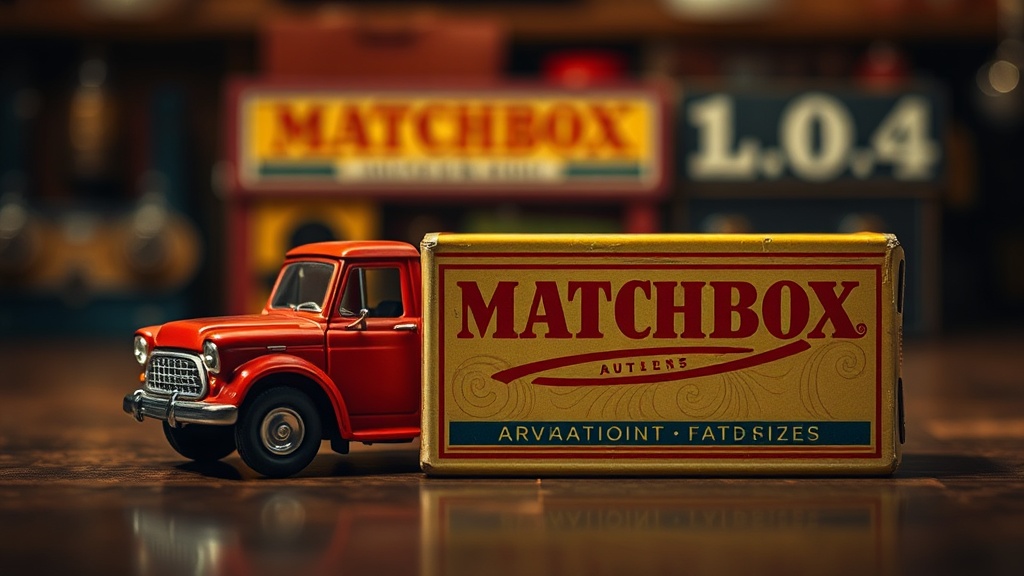
You’re browsing a local estate sale and spot a dusty, orange-and-yellow box that looks like a 1970s Matchbox regular release. You think it’s a common casting until you notice the baseplate is a slightly different shade of blue than the one you own. Is it a rare production variation, or just a different batch? This guide breaks down how to identify legitimate Matchbox variations, production errors, and the subtle differences that separate a common toy from a high-value collector's item.
Understanding the difference between a "variation" and an "error" is the first step in serious collecting. A variation is an intentional, though perhaps undocumented, change in production—like a different wheel type or a color shift. An error is a mistake, such as a misprinted box or a car with the wrong chassis attached. One might be worth a premium to a specialist, while the other might just be a curiosity.
What Are Matchbox Variations?
Matchbox variations are intentional changes in manufacturing components, such as wheel types, paint colors, or baseplate markings, that occur during different production runs. These aren't mistakes; they are simply the result of factory changes over time.
Collectors often hunt for these because they represent specific "eras" of a model's life. For example, a single casting might have been produced with "black wheels" for two years before the factory switched to "silver wheels." Both are "correct" for their respective years, but the black-wheel version might be much rarer. It's a subtle distinction (and a frustrating one for beginners).
Common types of variations include:
- Wheel Variations: Changes in rim design, color, or even the material used for the axles.
- Paint Variations: Slight shifts in the hue of the paint, often caused by different suppliers or batches of pigment.
- Baseplate Variations: Changes in the text or branding on the bottom of the car, such as a change from "Made in England" to "Made in Macau."
- Interior Color: The color of the plastic seating inside the vehicle can vary even if the exterior looks identical.
If you want to understand how to value these subtle differences, check out my guide to valuing vintage collections. It helps put the rarity of these variations into a monetary perspective.
How Do I Spot a Production Error?
A production error is an unintentional mistake made during the assembly or packaging process, such as a misaligned decal, a wrong color-to-chassis pairing, or an incorrect box design.
Errors are much harder to find because they are, by definition, one-offs. While a variation is a known phenomenon, an error is a fluke. You might find a car where the body is a bright red, but the baseplate was meant for a blue version of the same model. That's a "mismatched" error. It’s highly sought after by certain types of collectors, but it's a gamble.
When looking for errors, keep an eye on the packaging. Sometimes the error isn't even on the car itself, but on the card or box. A misprinted color name or a transposed number on the box can turn a standard piece into a conversation starter. That said, don't assume every oddity is a valuable error—many are just standard production shifts.
Here is a quick way to differentiate the two:
| Feature | Variation (Intentional/Known) | Error (Unintentional/Mistake) |
|---|---|---|
| Cause | Factory updates or supplier changes. | Human or machine error during assembly. |
| Frequency | Occurs in specific production runs. | Usually a single, isolated instance. |
| Example | Switching from black to silver wheels. | A red car with a green interior. |
| Value | Steady, predictable value based on rarity. | Highly volatile; depends on the "story." |
Why Do Colors and Materials Change?
Changes in color and materials happen because of supply chain shifts, new manufacturing technology, or even changes in environmental regulations regarding paint pigments.
During the mid-20th century, the availability of certain dyes and metals fluctuated. You'll see this often in the Matchbox history. One year, a specific shade of metallic blue might have been the standard, but if that pigment became unavailable, the factory would pivot to a slightly different shade. To a casual observer, the cars look the same. To a collector, that slight shift in blue is the difference between a $5 model and a $50 model.
This is why you can't just look at a photo online and assume you know what you have. Lighting in photos can lie to you. A "red" car in a poorly lit photo might actually be the much rarer "magenta" variation. Always look for high-resolution shots or, better yet, see the physical item in person if possible.
The same goes for the chassis. As production moved from the UK to other parts of the world, the metal alloys used for the baseplates changed. This can affect the weight and the "feel" of the car in your hand. If you are dealing with older models, be sure to research cleaning and restoring vintage models so you don't accidentally strip away the very paint variations you're trying to identify.
A Note on "Errors" vs. "Variations" in the Marketplace:
Be wary of sellers who label every minor difference as an "error." In the diecast world, "error" is often used as a marketing term to inflate prices. A true error is a mistake. A variation is a known production change. If a seller claims a car is an "error" because it has a different wheel, they are likely just describing a known variation. Don't let the terminology confuse you.
It's also worth noting that the "era" of the car matters. A variation in a 1960s model is often much more documented and valued than a variation in a modern, mass-produced 2020s model. The older the production run, the more likely a variation is to be a significant find.
When you are out in the field, always check the bottom of the car first. The baseplate is the "ID card" of the model. It tells you the name, the scale, and often the country of origin. If the baseplate doesn't match the body or the box, you might have found something special—or you might just have a piece of junk. It's a fine line to walk.
One tip: keep a small magnifying glass in your kit. You'll need it to see the tiny-print variations on the baseplates or to check for the subtle texture differences in the paint. A lot of the "magic" in this hobby is hidden in the details that the naked eye simply misses.