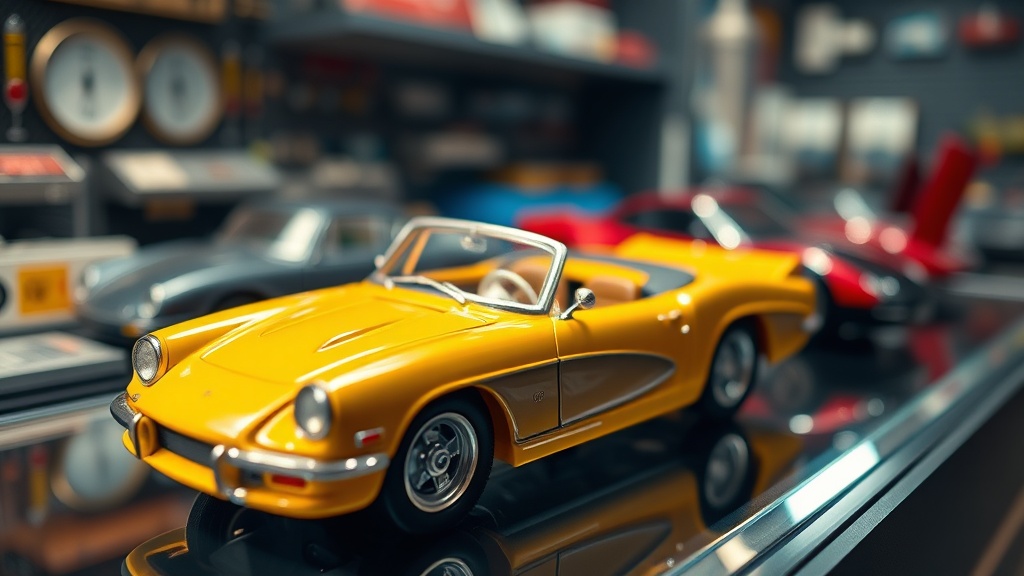
Keeping Your Diecast Models Pristine with Proper Display Techniques

Have you ever opened a display case only to find a fine layer of gray dust settling into the crevices of a vintage 1970s Matchbox car? Protecting your collection isn't just about keeping things tidy; it's about preserving the resale value and the physical integrity of the diecast metal, paint, and even the plastic wheels. This post breaks down the specific methods for lighting, storage, and environmental control so your models stay in mint condition.
How Should I Store My Diecast Collection to Prevent Damage?
The best way to store diecast models is in a temperature-controlled, low-humidity environment using dust-proof enclosures like acrylic cases or specialized display cabinets. Metal and plastic react to their surroundings. If you leave a high-value model on a sunny windowsill, the UV rays will bleach that vibrant red paint in a matter of months. It's a heartbreak I've seen too many times in the community.
Humidity is a silent killer. High moisture levels can lead to oxidation on the metal chassis or even cause "zinc rot"—a chemical degradation that can literally turn a diecast car into powder. If you live in a damp climate, consider using a dehumidifier in your display room. It's a small investment that saves thousands in lost value.
When it comes to long-term storage (think the stuff you aren't currently displaying), avoid cardboard boxes if possible. Cardboard can absorb moisture and even off-gas acidic compounds that harm certain types of paint and rubber. Instead, use acid-free containers or specialized plastic bins. If you're storing loose models, make sure they aren't touching each other to prevent paint scratches.
Here's a quick comparison of common storage methods:
| Method | Pros | Cons |
|---|---|---|
| Acrylic Display Boxes | Great visibility; high protection from dust and touch. | Can be expensive for large collections. |
| Glass Display Cabinets | Professional look; can hold many items. | Requires regular cleaning; heavy. |
| Plasticen/Blister Packs | Keeps the "original" look for collectors. | Plastic can yellow or crack over time due to UV. |
| Foam-Lined Trays | Excellent for transport and safe movement. | Not a permanent display solution. |
For those just starting out, I've previously written about the basics of collecting Matchbox cars, and a huge part of that journey is deciding how much you want to invest in your display setups early on.
Does Lighting Affect the Appearance of Diecast Models?
Lighting can either make your collection look like a high-end museum exhibit or a dull, washed-out pile of metal. The type of light you use matters immensely.
LED lights are the gold standard for collectors. They produce very little heat and, more importantly, they don't emit the UV radiation that traditional incandescent bulbs do. If you're using old-school shelf lighting, you're essentially baking your cars under a heat lamp. That's a recipe for brittle plastic windows and faded decals.
Avoid direct sunlight at all costs. A common mistake is placing a display case near a window for "natural light." Even if the light looks beautiful in the moment, the long-term damage to the pigments in the paint is often irreversible. If you're looking for more technical details on how light interacts with various materials, Wikipedia's entry on ultraviolet radiation provides a great technical breakdown of why this happens.
Try to use "cool" light temperatures. A slightly warmer light can make the colors pop, but if it's too yellow, it might distort the true color of the car. I usually aim for a neutral white light to ensure that the color I see in my room is the same color I'll see when I eventually sell the piece.
Tips for Perfect Lighting:
- Use LED strips for even light distribution across a shelf.
- Ensure light sources are not touching the plastic or the cars themselves.
- Avoid "spotlighting" a single car too intensely, which creates harsh shadows.
- Check for "hot spots" where light might be concentrated and damaging.
How Do I Clean My Diecast Cars Without Scratching Them?
Cleaning your cars requires a gentle touch and the right tools to avoid ruining the finish. You can't just grab a rag and start scrubbing.
For light dusting, a soft-bristled makeup brush or a high-quality paintbrush is your best friend. This allows you to get into the tiny gaps around the wheels and chassis without applying much pressure. If you're dealing with a more stubborn layer of grime, a can of compressed air (used carefully and from a distance) can blow away loose particles.
Never use harsh chemicals. Avoid Windex, bleach, or any abrasive cleaners. These can strip the paint or cloud the clear plastic windows. If you absolutely must use a liquid, a tiny bit of distilled water on a microfiber cloth is the safest bet. Distilled water is preferred because it lacks the minerals found in tap water that can leave spots or residue.
One thing to watch out for is the "tacky" feeling on some older models. This is often due to the breakdown of the plasticizer in the tires or certain paints. If you find this, don't scrub it. Instead, look into specialized cleaners used by hobbyists for model kits, but always test a small, inconspicuous area first.
If you're dealing with high-end or rare pieces, like the rare colorways we've discussed, you should be even more cautious. A single mistake with a cleaning solvent can turn a five-figure collectible into a damaged piece of scrap metal. It's better to have a slightly dusty car than a scratched one.
When cleaning, follow this order of operations:
- Dry Dusting: Use a soft brush to remove loose debris.
- Air Blast: Use compressed air to clear out the wheel wells.
- Damp Wipe: Use a barely-damp microfiber cloth for any residue.
- Dry: Ensure the model is completely dry before placing it back in a sealed case.
The goal is to be as non-intrusive as possible. Most of the time, a quick pass with a brush is all you really need. Don't overthink it. A little bit of dust is much better than a permanent scratch from an aggressive cleaning attempt.
Remember, your collection is a living part of your home. It should be enjoyed, but it also needs to be protected from the environment. Whether you're a lifelong collector or just picked up your first set of Matchbox cars, taking these steps now will ensure your collection remains a source of pride for years to come.
Steps
- 1
Choose a Dust-Free Environment
- 2
Control Light Exposure
- 3
Select the Right Display Case
- 4
Regular Cleaning Routine