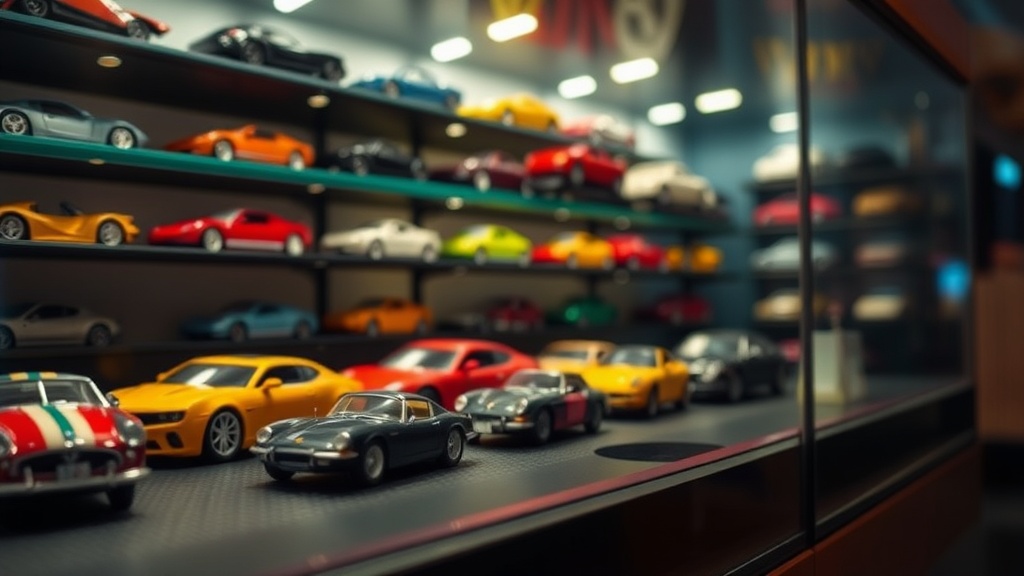
Setting Up Your Diecast Display Cases Effectively

How do I choose the right display case for my collection?
Are you staring at a pile of diecast cars on a desk or a shelf and wondering how to turn that clutter into a curated exhibit? Setting up a display system isn't just about finding a box to put your cars in; it's about protecting the investment you've made and showing off the details that make each casting special. Whether you collect vintage Matchbox, high-end scale models, or modern enthusiast pieces, the way you present them affects both their visual appeal and their long-term condition.
A common mistake many collectors make is grabbing the first acrylic box they see without considering the specific needs of their fleet. A single-tier case might work for a small batch of 1:64 scale cars, but it won't help if you're trying to display a massive collection of 1:18 scale models. You need to think about depth, height, and—most importantly—the environment. If you're displaying these in a living room, you're dealing with different light and dust levels than if they were in a dedicated hobby room. You'll want to consider how much space you actually have available before you start buying cases.
Before you spend a dime, take a look at your current collection. Are they mostly carded (in their original packaging) or loose? This is a huge distinction. If you have a lot of carded items, you'll need much deeper shelves or specific wall-mounted-style cases to prevent the cards from bending or the blisters from cracking. If you're strictly a loose-car collector, you have more flexibility with tiered acrylic stands or custom-built shelving. It's a small detail, but it makes a massive difference in how much space you'll occupy in your home.
What are the best materials for protecting my cars?
When it comes to the materials used in display cases, you'll mostly run into two options: acrylic and glass. Acrylic (often called Plexiglass) is a favorite among collectors because it's lightweight and much harder to break if a shelf accidentally tips. It also has a certain warmth to it that looks great under LED lighting. However, cheap acrylic can scratch easily—a nightmare if you're constantly reaching in to move cars around. High-quality, thick-walled acrylic is the gold standard for preventing that tiny bit of wayward dust from settling on your paintwork.
Glass, on the other hand, is the professional's choice for high-end, large-scale displays. It's much more scratch-resistant and provides a crystal-clear view that doesn't yellow over time. If you're building a permanent fixture in a study or a showroom, glass is the way to go. Just keep in mind that glass is heavy. If you're mounting these displays on a wall, you'll need to ensure your wall anchors can handle the weight of both the case and the metal models inside. Check out the Museum Quality guidelines for professional-grade storage if you want to see how the pros handle delicate items.
How can I light my display without damaging the paint?
Lighting is where a collection goes from looking like a toy bin to looking like a professional gallery. But there's a catch: heat. If you use standard incandescent bulbs, the heat generated can actually bake the paint and plastic over time. This can lead to paint crazing or even the warping of plastic parts on your diecast models. You'll want to stick to LED lighting. LEDs stay cool to the touch and provide a consistent light spectrum that won't cause your colors to fade or shift.
When positioning your lights, try to avoid direct, harsh beams that create heavy shadows. You want a soft, diffused glow that highlights the contours of the car's body. If you're using a tiered stand, place your lights at an angle to highlight the underside of the chassis or the wheel details. A well-lit display should feel inviting, not like a spotlight in a crime scene. If you're looking for inspiration on lighting setups, the Artstor archives often show how museums light small objects to maximize detail and minimize glare.
Once you've selected your cases and your lighting, the final step is the actual arrangement. Don't just line them up in rows like soldiers. A dynamic display uses varying heights to create visual interest. Use small acrylic risers to lift certain models in the front, creating a sense of depth. This prevents the cars in the back from being completely obscured by the ones in the front. It also allows the viewer's eye to travel through the collection rather than just scanning across a flat line.
Remember, your collection is a living thing. As you acquire new pieces, your display needs to be able to evolve. Don't get too attached to a rigid layout. A good display system is modular. If you find a rare piece that is larger than your usual scale, you need to be able to adjust your shelving or your case layout without having to buy an entirely new unit. This mindset keeps your hobby fun and prevents the frustration of having a "dead" display that can't accommodate your growth.
A final tip for the organized collector: keep a small cleaning brush—like a soft-bristled makeup brush or a specialized diecast brush—nearby. Even with a closed case, a tiny bit of dust can find its way in. A quick dusting once a month will keep your display looking professional and prevent any buildup that could lead to surface abrasion. Your collection deserves to look as good as the day you unboxed it.