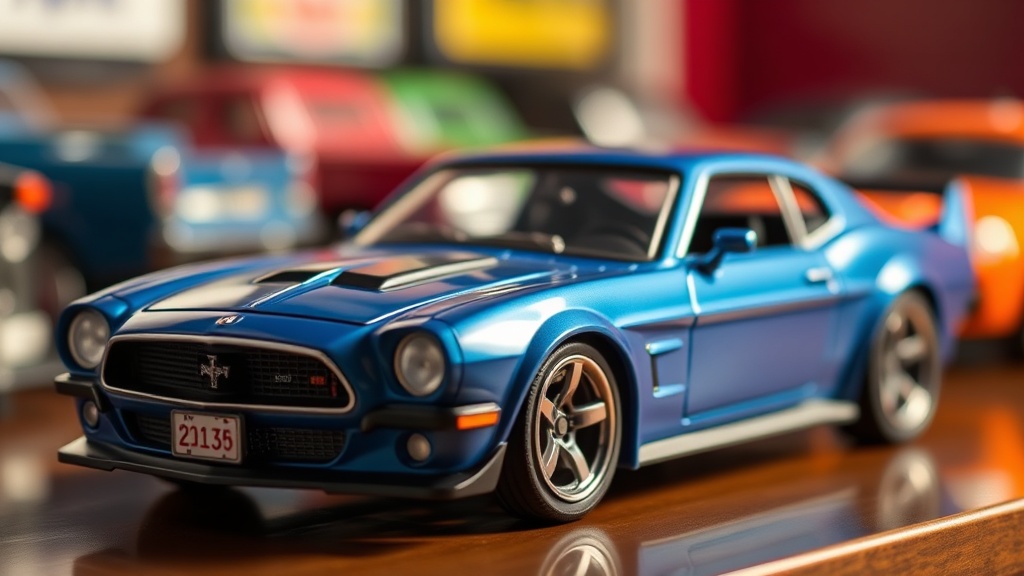
Where to Find High-Quality Diecast Models Online

Are you tired of scrolling through endless pages of low-quality replicas that don't quite live up to the hype? Finding a reliable source for high-end diecast models can feel like searching for a needle in a haystack—especially when you want to ensure the weight, paint finish, and detail match the premium standards of the industry. This post looks at the different digital avenues available to collectors, the red flags to watch for, and how to verify that what you're buying is actually a legitimate piece of craftsmanship rather than a cheap imitation.
The world of online collecting has expanded far beyond your local hobby shop. Today, the market is split between massive retailers, specialized boutique sites, and the unpredictable world of peer-to-peer marketplaces. Each of these avenues offers something different. A specialist site might offer a curated selection of high-end models with guaranteed authenticity, while a massive global marketplace might have lower prices but significantly higher risks of receiving a damaged or counterfeit item. Knowing where to look depends entirely on whether you're hunting for a common release or a rare, limited-edition piece.
How do I verify the authenticity of a diecast model?
One of the biggest headaches for any serious collector is the rise of high-quality counterfeits. To avoid being burned, you need to look past the pretty pictures. First, pay attention to the manufacturer's branding. Legitimate brands like Hot Wheels or high-end scale model makers often have very specific production codes and packaging standards. If the box looks slightly off—maybe the font is a bit thin or the colors aren't as vibrant as they should be—take that as a warning sign.
Another tip is to check the weight. High-quality diecast models should have a certain heft to them. If a listing for a "premium scale model" shows a weight that is suspiciously light, it's likely a plastic-heavy imitation. You can also look for specific hallmarks or embossed logos on the underside of the chassis. If a seller can't provide a clear photo of the bottom of the model, walk away. A real collector will always be happy to show you the details that prove the item's pedigree.
Which online marketplaces are best for collectors?
When you're looking for specific, hard-to-find pieces, you'll likely find yourself in three different types of digital environments:
- Specialized Hobby Sites: These are the gold standard. They often have strict vetting processes and specialize in specific brands. You'll pay more, but the peace of mind is worth it.
- Global Marketplaces: Sites like eBay are a double-edged sword. You can find incredible deals from veteran collectors, but you also run the risk of dealing with unscrupulous sellers. Always check the seller's feedback rating and look for photos of the actual item, not a stock image.
- Social Media Groups: Facebook groups and specialized forums are great for finding niche items, but they require a high level of trust. These are best for community-driven trading rather than direct purchasing.
If you're just starting out, I'd suggest sticking to established hobbyist sites. It's better to spend a few extra dollars on a verified item than to lose fifty bucks on a fake. The community often gathers on platforms like Reddit to discuss recent finds and warn others about common scams. These discussions can be a goldmine for information on current market trends and which sellers are currently reliable.
What should I look for in a seller's listing?
A good listing is a transparent listing. If a seller uses only one or two stock photos, they are likely hiding something. A reputable seller understands that collectors care about the minute details—the condition of the card, the shine of the paint, and the presence of any factory defects. Look for high-resolution photos that show the item from multiple angles, including the packaging (if it's carded) and the base of the model. If the description is vague or uses generic terms like "excellent condition" without providing photographic proof, proceed with caution.
It's also a good idea to check the shipping policies. Diecast models, especially those in original packaging, are incredibly fragile. A seller who doesn't mention protective packaging or uses a cheap shipping method is a red flag. You want to see mentions of bubble wrap, sturdy boxes, and careful handling. I've seen too many collectors receive "mint condition" items that arrived with crushed corners because the seller thought a plain envelope was enough.
Lastly, don't be afraid to ask questions. A legitimate dealer or a serious collector will be happy to provide more photos or answer questions about the model's history. If they become defensive or vague, that's your cue to find a different source. Your money is better spent elsewhere if the communication isn't there from the start. Building a collection is about more than just buying things; it's about finding the right sources that respect the craft as much as you do.