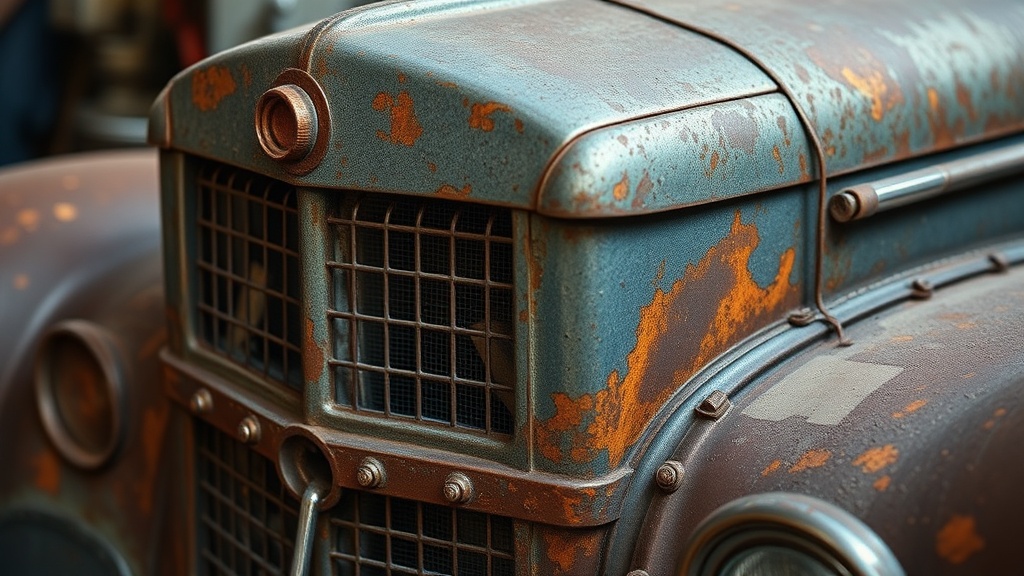
Why Does Diecast Metal Oxidize and How Do You Stop It?

Is your collection turning green or white?
Have you ever opened a storage bin only to find a thin layer of white powder or a strange green crust on your favorite vintage diecast models? This isn't just a sign of age; it's a chemical reaction. Understanding why metal reacts to its environment is the difference between a collection that lasts decades and one that falls apart in a few years. This post covers the mechanics of metal oxidation, the specific culprits in your home, and the practical steps you can take to halt the process before it ruins your investment.
Metal oxidation, specifically in the context of diecast collecting, usually involves the interaction between the zinc-based alloys (often called Zamak) and the surrounding atmosphere. When these metals meet moisture, oxygen, or even certain chemicals from your hands, they undergo a transformation. If you aren't careful, what started as a pristine 1:64 scale model can quickly become a victim of structural decay. It's a frustrating reality for many collectors, but it's entirely preventable if you know what to look for.
What causes the white powder on diecast cars?
The most common sight for collectors is a fine, white, powdery substance appearing on the surface or near the seams of a model. This is often called "zinc rot" or "diecast disease." It happens when the zinc alloy used in the casting is impure or when the metal is exposed to excessive humidity. When moisture enters the microscopic pores of the metal, it triggers a reaction that expands the material. This expansion is what causes the paint to bubble or flake off.
Humidity is the primary driver here. If you keep your collection in a basement or a room without climate control, you're essentially inviting oxidation to the party. Even the oils from your skin—the ones left behind when you handle a car without gloves—can introduce salts and acids that accelerate this degradation. It's not just about the metal itself; it's about the environment the metal lives in. You might think a sealed plastic case is enough, but if you trap humid air inside that case, you've just created a little greenhouse for corrosion.
"The stability of a collection relies heavily on the atmospheric conditions of the storage area. A change in even a few percentage points of humidity can alter the longevity of a zinc-alloy model."
— Common knowledge among professional conservators.
Another factor is the quality of the alloy. Historically, the purity of the metals used in diecast manufacturing varied wildly. Older-era models sometimes used alloys with higher levels of impurities, making them more susceptible to the chemical breakdown we see today. This is why a vintage model might look perfect on the shelf but show signs of rot once it's removed from its original packaging. The lack of air circulation within a sealed blister pack can actually trap moisture, leading to localized issues.
How can I prevent metal corrosion in my collection?
The first rule of prevention is moisture control. You can't stop physics, but you can certainly slow it down. Using a dehumidifier in the room where you store your collection is one of the most effective ways to stabilize the environment. Aim for a consistent humidity level—ideally between 40% and 50%. If the air is too dry, it might affect other materials like cardboard or rubber, but if it's too damp, your diecast is in trouble.
Second, consider how you handle your pieces. If you're a serious collector, getting into the habit of using cotton gloves or even just washing and drying your hands thoroughly before a session can make a huge difference. The sweat and natural oils on your skin are surprisingly corrosive. If you're working on a model or even just moving it around for a photo, those tiny traces of salt and acid can settle into the seams of the car.
- Use Silica Gel Packets: When storing cars in airtight containers, toss in a small, high-quality silica packet to absorb excess moisture.
- Avoid Direct Sunlight: UV rays can degrade both the paint and the structural integrity of the plastic components, which in turn affects the metal.
- Check Your Storage: If you use display cases, ensure they are truly airtight and that you aren't sealing in moisture during the assembly process.
Third, look at your display materials. Some cheaper plastics or wooden bases can off-gas chemicals over time. These gases can react with the diecast metal, causing premature aging. If you're building a custom display, ensure the materials are inert and won't react with the metal or the paint. You can find more technical info on material stability through resources like the American Chemical Society, which offers deep dives into how different elements interact with the environment.
Can I fix a car that already has oxidation?
Once the metal has actually begun to degrade, the situation becomes much more difficult. If you see significant white powder or if the metal is actually crumbling, you're looking at structural failure. At this stage, the damage is often permanent. However, if it's just a superficial layer of oxidation on the surface, there are a few ways to manage it. Some collectors use a specialized metal cleaner, but you must be extremely careful. Using a harsh chemical can strip the paint or the thin chrome plating that makes the car look good.
A very gentle approach involves using a micro-fiber cloth and a tiny amount of isopropyl alcohol to clean the area, but this is a temporary fix. The goal should always be prevention rather than a cure. If you notice a car starting to show signs of "bloating" (where the metal expands and pushes the paint out), it's best to isolate that car from the rest of your collection immediately. You don't want the moisture or the chemical reaction to spread, even if it's just through contact in a shared display case.
For those interested in the chemical properties of metals and how they age, the National Institute of Standards and Technology provides incredible data on material science and the behavior of alloys. Understanding the science behind the decay can help you realize that a little bit of precaution goes a long way in preserving the value and beauty of your pieces.
Ultimately, your collection is a living thing in a sense—it reacts to the world around it. By controlling the variables of humidity, handling, and storage, you aren't just keeping cars on a shelf; you're preserving a piece of history. Don't wait until you see the first sign of white powder to act. Be proactive, keep your air dry, and handle your pieces with the respect they deserve.